
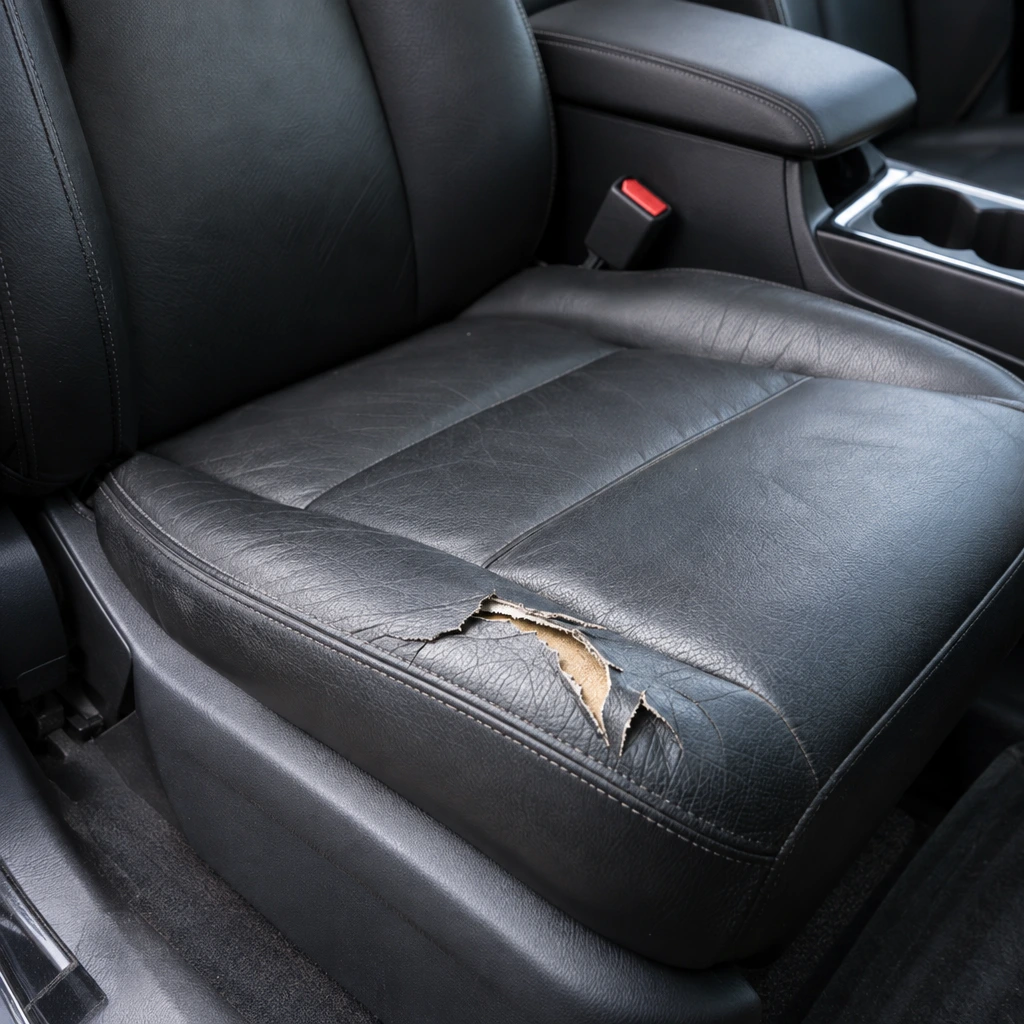
A torn leather seat can make an otherwise dependable vehicle look neglected, but replacement is not always necessary. In many cases, repairing torn leather seats can restore the damaged area, protect the underlying cushion, and cost less than replacing an entire seat. The right solution depends on the tear’s size, location, leather condition, and whether the seat has previous damage. If you drive in Albuquerque, New Mexico, local conditions matter, too. Strong sunlight, dry air, dust, and frequent vehicle use can make leather crack and weaken faster. This guide explains when leather seat repair makes sense, what the process involves, and what to ask before scheduling automotive upholstery work.
Repairing Torn Leather Seats: When Is It Possible?
Professional repair works best when the damage remains limited to one section or panel. A small split, puncture, seam tear, or worn bolster may not require a complete reupholstery job. An upholstery specialist can inspect the leather, check the foam underneath, and determine whether the damaged area can support a repair.
Common types of leather seat damage
- Small punctures: These may come from keys, tools, pets, or sharp objects.
- Seam separation: Stitching can pull apart as people enter and exit the vehicle.
- Cracked leather: Dryness and repeated friction can create a network of surface cracks.
- Worn side bolsters: The outer edge of the driver’s seat often suffers the most wear.
- Larger tears: Extensive damage may require replacing a complete leather panel.
The tear’s position matters. A small split in the center of a seat may remain stable after repair. Damage on a high-use bolster faces more pressure, so the shop may recommend replacing that section with matching or closely coordinated material. If the foam has collapsed or the support structure has shifted, fixing only the surface may not solve the problem.
Leather also needs a careful inspection because some seats labeled “leather” contain vinyl sections. A professional can identify the material and recommend a repair method that suits the original construction. This helps prevent mismatched textures, premature cracking, or a repair that does not hold up to daily use.
Repair or Replace the Leather Seat Panel?
Many vehicle owners ask whether they should repair the tear or redo the whole seat. The answer usually depends on the condition of the surrounding material. If the rest of the seat remains flexible and attractive, repairing one area may provide the best value. If several sections show deep cracking, discoloration, or stretching, replacing one panel may create a more durable result.
Signs a localized repair may work
- The damage covers a small, defined area.
- The surrounding leather still feels strong and flexible.
- The tear has not badly damaged the foam underneath.
- The seat has no widespread cracking or severe discoloration.
Signs a panel replacement may be better
- The leather has become thin across a high-wear area.
- The tear continues to spread after previous repairs.
- The seat contains several large cracks or splits.
- The damaged panel carries important tension or stitching.
A panel replacement does not always mean redoing the entire interior. In many cases, the upholstery shop can replace only the worn section. The replacement may match the original leather closely, or you may choose a complementary material for a subtle custom look. For vehicle interior restoration, matching grain, color, stitching, and panel shape can matter as much as repairing the tear itself.
Do not rely on adhesive, household patches, or heavy conditioning products as a permanent fix. These quick solutions can hide the damage temporarily, but they may make professional repair more difficult later. Keep the seat clean and avoid placing sharp or heavy objects against the torn area until someone can inspect it.
What Affects Leather Seat Repair Cost and Turnaround?
Every leather seat has a different construction, so an honest estimate requires an inspection. A shop will consider the size and position of the damage, the type of material, the condition of the foam, and how closely the replacement must match the original.
Important cost factors include:
- Damage size: A small seam repair usually requires less material and labor than a large panel.
- Seat location: Driver’s seats and bolsters often need stronger repairs because they receive constant friction.
- Material availability: Unusual colors, grains, or older materials can affect the repair plan.
- Underlying damage: Torn foam or weakened support may require additional work.
- Color matching: Matching an aged interior can take more care than matching a newer seat.
- Vehicle design: Power seats, specialty stitching, and complex panel layouts may increase labor.
Turnaround also varies with the repair’s complexity and the availability of suitable material. A straightforward tear may move quickly, while a custom panel or hard-to-match interior can take longer. When you contact an upholstery shop, share clear photos and explain whether the seat has already received a repair. An in-person inspection still provides the most reliable recommendation.
Al’s Upholstery offers automotive upholstery services for car and truck owners in Albuquerque, Rio Rancho, Santa Fe, and throughout New Mexico. The walk-in shop includes a showroom where you can review samples and discuss options with Al. You can also learn more through the Al’s Upholstery website.
What a Torn Leather Seat Repair May Look Like
Consider a common Albuquerque example: the driver’s seat in a daily-use SUV has a split along the outer bolster. The center panel remains in good shape, but repeated entry and exit have worn the side. A technician may recommend replacing or repairing only the bolster instead of redoing the entire seat. That approach preserves the original interior while addressing the area that receives the most stress.
Another example involves a small puncture in the passenger seat. If the surrounding leather remains strong, a localized repair may restore the surface without changing the seat’s overall appearance. However, if the puncture sits beside several deep cracks, a larger panel solution may provide better long-term value.
Al’s Upholstery has served customers since 1992, giving local vehicle owners access to more than 30 years of upholstery experience. The shop is known for fair prices and fast turnaround, offers a 100% satisfaction guarantee, and provides a warranty on select work. To discuss your torn leather seat, visit the shop at 6616 Central Ave SE, Albuquerque, NM 87108, or call (505) 242-3583. Hours are Monday through Thursday from 7:30 AM to 4 PM and Friday from 6:30 AM to 12 PM. Bring photos or stop by for an evaluation before the tear spreads.